Evaluating Chevron Alphabet and Letters for Digital Crafting Projects
In the expansive world of digital design and DIY crafting, typography plays a pivotal role in defining the aesthetic of a project. Among the myriad of font styles available, the Chevron Alphabet has emerged as a distinctive choice for creators seeking a modern, geometric look. This article provides an objective evaluation of Chevron Letters, exploring their applications, technical specifications, and suitability for various crafting mediums. By understanding the characteristics of this specific font style, designers and hobbyists can make informed decisions about whether it aligns with their creative goals.
Understanding the Chevron Aesthetic
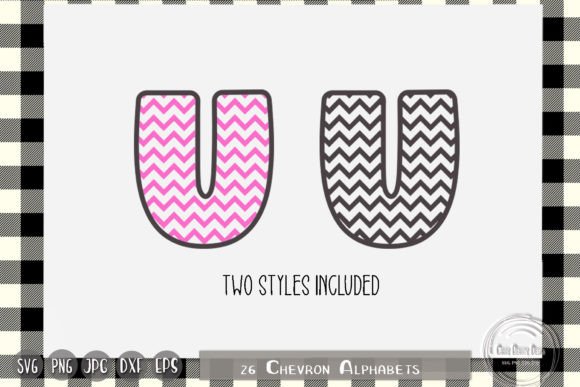
The term "chevron" refers to a V-shaped pattern or symbol. When applied to typography, Chevron Alphabet and Chevron Letters typically feature characters constructed from or adorned with these angular, zigzag motifs. Unlike traditional serif or sans-serif fonts that rely on smooth curves or straight lines, chevron fonts introduce a dynamic sense of movement and texture. This stylistic choice makes them particularly popular for projects that require a bold, contemporary, or sporty appearance.
For individuals researching digital assets, it is important to distinguish between a standard font file and a specialized graphic package. The Chevron Font discussed here is often distributed as a digital download package designed specifically for cutting machines and graphic design software. This format ensures that the intricate details of the chevron patterns remain intact during the resizing and cutting processes, which is crucial for maintaining visual integrity in physical crafts.
Technical Compatibility and File Formats
One of the primary considerations when selecting digital design assets is compatibility with existing hardware and software. A comprehensive Chevron Alphabet package typically includes multiple file formats to accommodate a wide range of user needs. The most common formats provided are DXF, EPS, SVG, and PNG. Each format serves a specific purpose in the workflow of a crafter or designer.
- SVG (Scalable Vector Graphics): This is arguably the most versatile format for modern crafting. It is widely supported by software such as Cricut Design Space, Silhouette Studio, and Adobe Illustrator. SVG files are vector-based, meaning they can be scaled to any size without losing quality, making them ideal for everything from small vinyl decals to large wood sign stencils.
- DXF (Drawing Exchange Format): Primarily used for compatibility with older versions of cutting software or specific CAD programs. Users with basic editions of Silhouette Studio, which do not support SVG imports, often rely on DXF files for their projects.
- EPS (Encapsulated PostScript): This format is standard in professional graphic design environments. It is compatible with Adobe Photoshop, Illustrator, and CorelDRAW, allowing for advanced editing and manipulation of the Chevron Letters before final output.
- PNG (Portable Network Graphics): As a raster image format with a transparent background, PNG files are useful for sublimation printing, digital scrapbooking, or web design. While not suitable for cutting paths, they allow for immediate use in print-on-demand services or digital compositions.
The inclusion of all four formats in a single package significantly enhances the value proposition for users who may work across different platforms or who anticipate changing their software ecosystem in the future.
Applications in Crafting and Design
The versatility of Chevron Alphabet and Chevron Letters makes them suitable for a diverse array of applications. Understanding where these fonts perform best can help creators determine if they are the right fit for their current projects.
Vinyl Decals and Stickers
Vinyl cutting is one of the most common uses for these digital assets. The geometric nature of chevron designs translates well to vinyl, provided that the design is not overly intricate. These letters are frequently used for wall decals, laptop stickers, and water bottle labels. The bold lines of the chevron pattern ensure that the vinyl adheres properly and remains durable over time.
Apparel and T-Shirt Design
For heat transfer vinyl (HTV) projects, Chevron Font offers a stylish alternative to block letters. When applied to T-shirts, hoodies, or tote bags, the textured appearance of the chevron pattern adds visual interest without requiring complex layering. However, designers must consider the weeding process; extremely small details within the chevron points may be difficult to remove from the carrier sheet, so sizing is a critical factor.
Wood Signs and Stencils
Creating custom wood signs often involves painting or staining letters onto a wooden surface. Chevron Letters can be used to create stencils via vinyl cuts or direct printing. The angular design provides a modern farmhouse or industrial chic vibe, which is currently trending in home decor. When using these letters for stencils, it is essential to ensure that the bridges between the chevron points are thick enough to prevent paint bleed.
Cup Prints and Sublimation
With the rise of personalized drinkware, sublimation printing has become a popular method for applying designs to mugs and tumblers. The PNG files included in the Chevron Alphabet package are particularly useful here. They allow for full-color or monochrome designs to be printed directly onto sublimation paper and transferred to the cup, offering a seamless finish that vinyl cannot always achieve on curved surfaces.
Evaluating Benefits and Tradeoffs
While Chevron Alphabet and Chevron Letters offer distinct aesthetic advantages, there are tradeoffs to consider. On the benefit side, the unique visual texture sets projects apart from generic typography. The availability of multiple file formats ensures broad compatibility, reducing technical barriers for users. Furthermore, the digital download model provides immediate access, allowing for rapid prototyping and iteration.
However, there are limitations. The complexity of the chevron pattern can pose challenges for beginners. Intricate cuts may require high-quality blades and precise machine calibration. Additionally, readability can be compromised if the font is used at very small sizes or from a distance, as the zigzag pattern may blur into a solid shape. Therefore, this font style is best suited for headlines, short phrases, or single words rather than long paragraphs of text.
Decision-Making Insights
When deciding whether to incorporate Chevron Alphabet into your design toolkit, consider the end use of the product. If the goal is to create bold, eye-catching statements for home decor or apparel, this font style is a strong candidate. It is particularly effective for brands or individuals aiming for a modern, energetic, or playful image.
Conversely, if the project requires high legibility for informational purposes or a classic, timeless aesthetic, alternative fonts such as clean sans-serifs or traditional serifs may be more appropriate. Additionally, users with entry-level cutting machines should test the design at a small scale first to ensure their equipment can handle the detailed cuts inherent in chevron patterns.
In conclusion, Chevron Letters represent a valuable resource for digital crafters seeking to add geometric flair to their projects. By leveraging the included DXF, EPS, SVG, and PNG files, users can maximize compatibility across various platforms. Careful consideration of design complexity, material constraints, and readability will ensure that the final product meets both aesthetic and functional expectations.