Modernizing the Baby Shower Invitation: A Practical Guide to Digital Animated Video Templates
The tradition of announcing a new arrival has evolved significantly in the digital age. While paper stationery remains a classic choice, the Baby Shower Invitation landscape is shifting toward dynamic, interactive formats. Specifically, digital animated video invitations have emerged as a compelling alternative for modern parents-to-be. These templates offer a blend of convenience, creativity, and immediacy that traditional methods often lack. Understanding the distinct advantages and limitations of this format is essential for anyone planning a celebration, ensuring the chosen medium aligns with both logistical needs and personal style.
Defining the Digital Animated Invitation
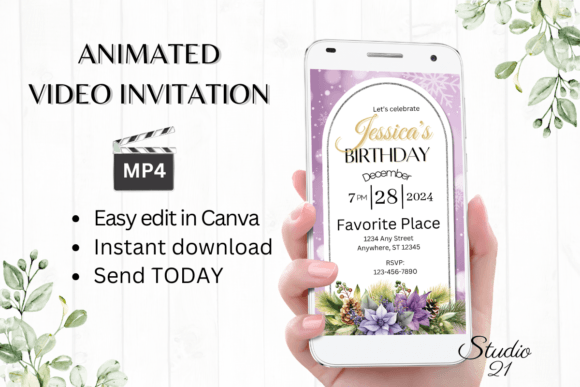
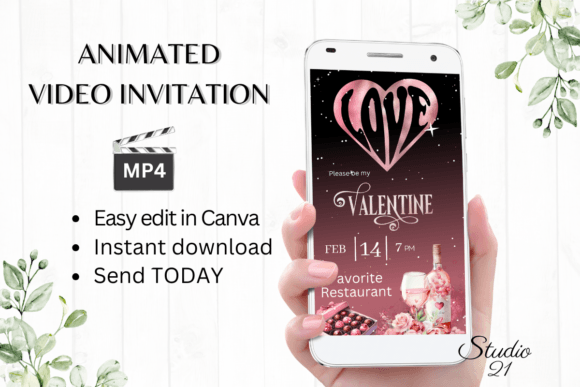
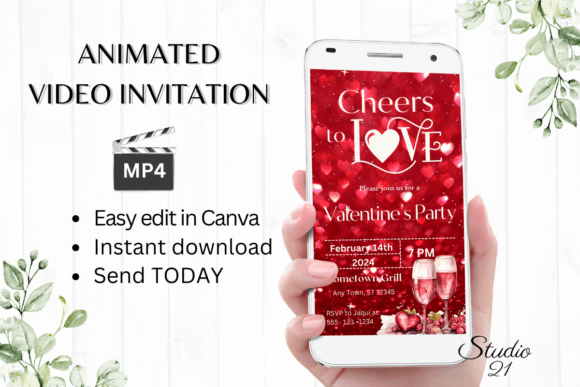
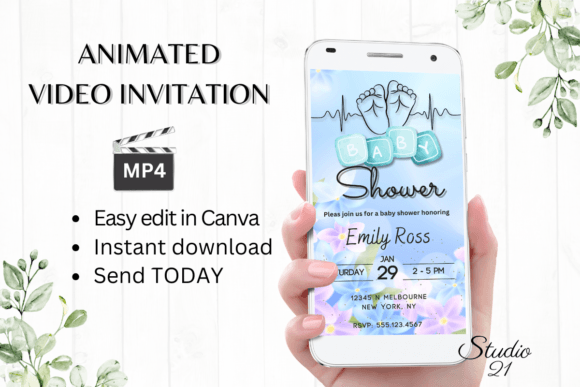
A digital animated video invitation is not merely a static image sent via email. It is a short, motion-graphic file, typically formatted as an MP4, designed to capture attention through movement and sound. Unlike standard e-cards, which may rely on simple transitions, these templates utilize professional-grade animation elements within user-friendly platforms like Canva. The core distinction lies in the user experience: recipients receive a visually engaging video that plays automatically or upon clicking, creating a more immersive preview of the event’s theme.
This format leverages the ubiquity of smartphones. With most communication happening through text messages, WhatsApp, iMessage, or social media DMs, a video file integrates seamlessly into daily digital interactions. The ability to download, edit, and send these files within minutes transforms the invitation process from a weeks-long logistical task into a streamlined, immediate action. This immediacy is particularly valuable for last-minute gatherings or casual celebrations where formal lead times are unnecessary.
Comparing Formats: Paper, Static Digital, and Animated Video
When evaluating invitation options, it is helpful to compare three primary categories: traditional paper, static digital images, and animated video templates. Each serves different purposes and audiences.
- Traditional Paper Invitations: These offer tangible keepsake value and a sense of formality. However, they require significant lead time for design, printing, and postal delivery. They also involve higher costs per unit and environmental considerations regarding waste. For large, distant guest lists, postage costs can become prohibitive.
- Static Digital Images (JPEG/PNG): These are cost-effective and easy to distribute via email or text. They eliminate shipping delays but lack the dynamic engagement of video. Static images can sometimes be overlooked in busy messaging threads, as they do not offer the motion cues that draw the eye.
- Animated Video Invitations: This format strikes a balance between high engagement and low friction. They are more eye-catching than static images due to motion, yet far more affordable and faster to produce than paper. The trade-off is that they do not provide a physical memento, and some older demographics may find video files slightly less intuitive to open than a simple photo, though this gap is narrowing rapidly.
The decision often hinges on the tone of the event. A formal, black-tie baby shower might still benefit from the weight and texture of paper. Conversely, a casual backyard gathering, a virtual shower, or a gender-reveal party often benefits from the playful, energetic nature of an animated video.
The Advantage of Editable Canva Templates
One of the most significant developments in digital design is the accessibility of professional tools through browser-based platforms. Using a Baby Shower Invitation template hosted on Canva removes the technical barriers associated with traditional graphic design software. Users do not need to download specialized programs or purchase expensive fonts. Instead, they access a cloud-based editor that functions on both computers and mobile devices.
This accessibility empowers users to maintain full creative control. The editing options are robust yet intuitive. Users can personalize text, adjust font styles, colors, and sizes, and even modify animation effects to suit their preferences. For instance, if a template features a specific color palette that does not match the nursery decor, those hues can be altered instantly. This level of customization ensures that the invitation feels personal rather than generic, a common concern with pre-made digital assets.
Furthermore, the absence of proofing waits is a critical efficiency gain. With traditional printers, errors often result in costly reprints and delays. With digital templates, changes are reflected in real-time. If a date is incorrect or a name is misspelled, it can be corrected in seconds before the final MP4 file is rendered. This iterative process allows for perfection without penalty.
Distribution and Accessibility Considerations
Once the editing phase is complete, the distribution method defines the user experience for guests. Digital video invitations are typically downloaded as MP4 files. This universal format ensures compatibility across nearly all modern devices and operating systems. Sharing options are diverse:
- Messaging Apps: Sending via WhatsApp, iMessage, or Messenger is the most common approach. It feels personal and direct, often prompting quicker RSVPs than email.
- Social Media: For larger, less formal gatherings, posting the video to Instagram Stories or Facebook can serve as a broad announcement, though private messaging is preferred for collecting accurate headcounts.
- Email Links: Some platforms allow users to generate a shareable link. This is useful for keeping file sizes manageable when emailing large groups, though it requires guests to click through to view the content.
It is important to note that while digital distribution is efficient, it requires guests to have reliable internet access and compatible devices. For mixed-age guest lists, including a brief instruction guide—often provided with the template download—can help less tech-savvy relatives navigate the process. Providing a clear call to action within the video, such as a text number for RSVPs, simplifies the response mechanism.
Limitations and Best-Fit Scenarios
While animated video invitations offer numerous benefits, they are not a universal solution. Understanding their limitations helps in making an informed choice.
No Physical Keepsake: For many families, the invitation serves as a souvenir. Digital files, unless printed by the recipient, do not offer this tactile memory. If preserving a physical archive is a priority, hybrid approaches—such as sending digital invites for speed and mailing a few select paper copies for grandparents—may be considered.
Device Variability: Colors and animation smoothness can vary depending on the recipient’s device screen quality and settings. What appears vibrant on a high-end smartphone may look different on an older tablet. Designers should aim for high-contrast, clear visuals that remain legible across various displays.
Formality Perception: Despite their growing popularity, some traditionalists may perceive digital-only invites as less formal. For highly traditional family events, this perception might matter. In such cases, the animated video can serve as a "save the date" or supplementary teaser, followed by a more formal communication channel.
Making the Right Choice for Your Event
Selecting the right invitation format involves balancing budget, timeline, audience, and aesthetic goals. A digital animated Baby Shower Invitation is an excellent choice when:
- Time is limited: You need to send invites quickly without waiting for printing and shipping.
- Budget is a constraint: You want to minimize costs associated with paper, ink, and postage.
- Engagement is key: You want to create excitement and stand out in crowded digital inboxes.
- Eco-friendliness is a priority: You wish to reduce paper waste and carbon footprint associated with physical mail.
Conversely, you might opt for traditional paper or static digital formats if your guest list includes individuals with limited digital literacy, if the event demands strict formal etiquette, or if you prioritize physical archival quality. Ultimately, the trend toward digital animation reflects a broader shift in how we communicate—favoring speed, visual impact, and ease of use. By leveraging editable templates, hosts can achieve a professional, personalized result without the stress of traditional production workflows. The key is to align the medium with the message, ensuring that the invitation sets the appropriate tone for the celebration ahead.