Mastering Vector Handmade Wedding Invitation Cards: A Guide to Beautiful Pink Rose Designs
In the modern era of event planning, the intersection of traditional craftsmanship and digital convenience has created a unique niche for vector handmade wedding invitation cards. These digital assets offer the aesthetic warmth of hand-created art with the flexibility and precision of vector graphics. Whether you are planning a grand wedding, an intimate birthday celebration, or a professional branding project, understanding how to utilize these resources can significantly elevate your design outcomes. This guide explores the purpose, significance, and practical application of vector invitation templates, specifically focusing on designs featuring beautiful pink roses.
The Appeal of Vector Handmade Aesthetics
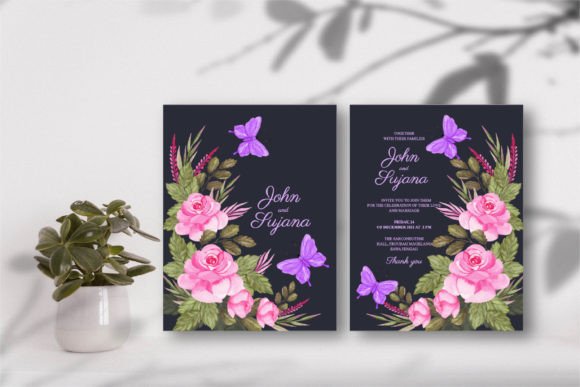
When we speak of "handmade" in a digital context, we refer to the artistic style rather than the physical production method. Vector handmade wedding invitation cards are designed to mimic the organic lines, textures, and imperfections of hand-drawn illustrations. Unlike standard geometric vectors, which can feel cold or corporate, handmade vectors retain a human touch. This is particularly effective for weddings and birthdays, events that thrive on personal connection and emotional resonance.
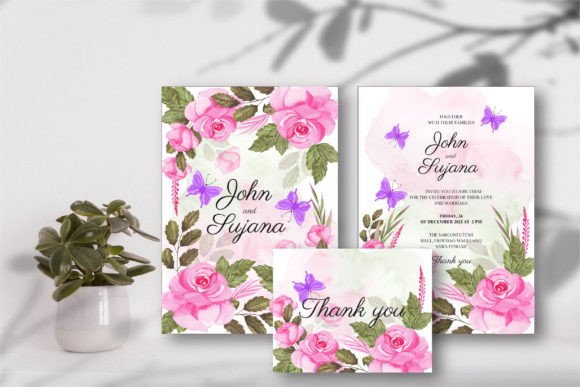
The inclusion of elements like a beautiful pink rose adds a layer of romantic symbolism and visual softness. Pink roses traditionally convey grace, happiness, and gentleness, making them an ideal choice for bridal showers, weddings, and feminine-themed birthday parties. By using a vector format, however, you ensure that these delicate details remain crisp and clear regardless of the size at which they are printed.
Why Choose Vector Formats Over Raster Images?
For those new to graphic design, the distinction between vector and raster (pixel-based) images is crucial. Raster images, such as JPEGs or PNGs, are made of pixels. When you enlarge them, they become blurry or pixelated. Vectors, on the other hand, are based on mathematical paths. This means you can scale a wedding invitation card with a beautiful pink rose from the size of a business card to a large banner without losing any quality.
This scalability is vital for versatility. You might want to use the same floral design for your main invitation, a small favor tag, and a large welcome sign. With vector files, you only need one source file to achieve perfect results across all mediums.
Understanding the File Package
When you purchase or download high-quality digital design assets, they are typically delivered in a compressed format to maintain organization and reduce download times. Understanding how to handle these files is the first step in your creative process.
The files are compressed in one ZIP File. To access the contents, you need to extract them using software such as WinZIP, WinRAR, or the built-in extraction tools found in most modern operating systems like Windows and macOS. Once extracted, you will typically find a suite of file formats designed to accommodate different skill levels and software preferences.
Breakdown of Included File Types
In a comprehensive vector package, you will generally receive the following formats:
- AI File: This is the native format for Adobe Illustrator. It is fully editable, allowing you to change colors, move elements, and adjust curves. This is the best option for professional designers.
- EPS (Encapsulated PostScript): A universal vector format that can be opened by various design programs, including CorelDRAW, Inkscape, and Affinity Designer. It ensures compatibility across different platforms.
- JPG (Joint Photographic Experts Group): A high-resolution raster image. This is useful for quick previews or for users who do not have vector editing software. While not editable in the same way as vectors, it serves well for immediate printing needs if scaling is not required.
Having these multiple formats ensures that whether you are a professional graphic designer or a DIY enthusiast using basic tools, you can utilize the vector handmade wedding invitation cards effectively.
Practical Applications Beyond Invitations
While the primary use case is often stated as wedding or birthday cards, the versatility of these digital clip art files extends far beyond paper invitations. The phrase "very easy to edit" is key here; once you unlock the potential of these vectors, they become a multifaceted resource for various creative projects.
1. Scrapbooking and Memory Keeping
Digital scrapbooking has grown in popularity as a way to preserve memories without the physical clutter. The pink rose vectors can be layered into digital layouts, adding elegance to photo books. Because they are vectors, you can recolor the roses to match specific theme palettes, ensuring cohesion throughout your album.
2. Cut Machines and Vinyl Decals
For crafters using machines like Cricut or Silhouette, vector files are essential. These machines read the paths in AI or EPS files to cut materials precisely. You can use the pink rose design to create:
- Vinyl decals: Perfect for decorating glassware, laptops, or walls.
- Stickers: Create custom sticker sheets for wedding favors or journaling.
- Paper cuts: Intricate layered paper art for shadow boxes or card toppers.
3. Apparel and Textile Design
The fashion industry increasingly relies on digital prints. These vectors can be used for clothes printing, allowing you to create custom t-shirts, tote bags, or even bridal robes. The clean lines of the vector ensure that the print looks professional, whether screen-printed or digitally printed on fabric.
4. Iron-On Transfers and Engraving
DIY enthusiasts often use iron-on transfer paper to customize home goods. The high contrast and clean edges of vector art make it ideal for heat transfers onto pillows or aprons. Additionally, the precise paths in vector files are suitable for engraving on wood, acrylic, or metal, adding a luxurious touch to wedding gifts or signage.
5. Web and Digital Branding
In the digital age, your event needs an online presence. These files can be used for font back site elements, meaning they can serve as background graphics for wedding websites or blogs. They can also be integrated into printable decorations for digital displays, ensuring a consistent brand identity from the website to the physical venue.
How to Edit and Customize Your Design
One of the most significant advantages of purchasing vector handmade wedding invitation cards is the ease of customization. You are not locked into a static design. Here is a simple workflow for beginners:
- Open the File: Launch your preferred software (e.g., Adobe Illustrator) and open the AI or EPS file.
- Ungroup Elements: Vector designs are often grouped. Right-click and select "Ungroup" to manipulate individual flowers, leaves, or text separately.
- Change Colors: Select the pink rose elements and use the color picker to adjust the hue. You might want a deeper burgundy for a fall wedding or a soft blush for spring.
- Edit Text: Replace placeholder text with your event details. Ensure you choose a font that complements the handmade aesthetic of the roses.
- Export for Print: Save your final design as a high-resolution PDF or JPG, ensuring you select CMYK color mode for accurate printing.
Common Misconceptions About Digital Vectors
There are a few common misunderstandings regarding these files. First, many assume that "digital" means "impersonal." However, because these are handmade vectors, they retain artistic integrity. Second, some users believe they need expensive software to use EPS files. In reality, free alternatives like Inkscape can open and edit these files effectively. Lastly, there is a belief that these files are only for professionals. On the contrary, the user-friendly nature of pre-made templates empowers beginners to create professional-grade invitations with minimal effort.
Conclusion
Vector handmade wedding invitation cards represent a powerful tool for modern creators. They bridge the gap between artistic expression and technical precision. By leveraging files that include AI, EPS, and JPG formats, you gain the freedom to create not just invitations, but a cohesive visual identity for your event. From scrapbooking to vinyl decals, the applications are limited only by your imagination. Embrace the ease of editing and the beauty of designs like the pink rose to create memorable, personalized experiences for your special occasions.
For more resources on digital design and event planning, consider exploring tutorials on vector editing software or joining online communities dedicated to DIY wedding crafts. The ability to customize your own materials not only saves money but also adds a deeply personal touch that mass-produced items simply cannot match.