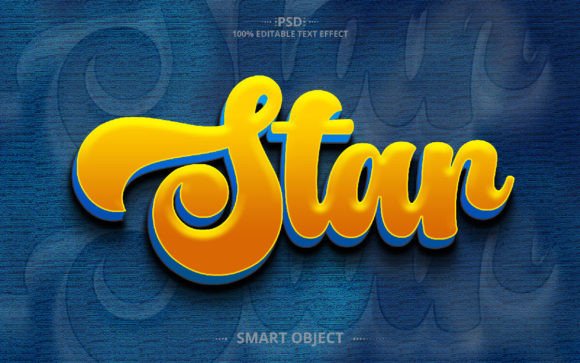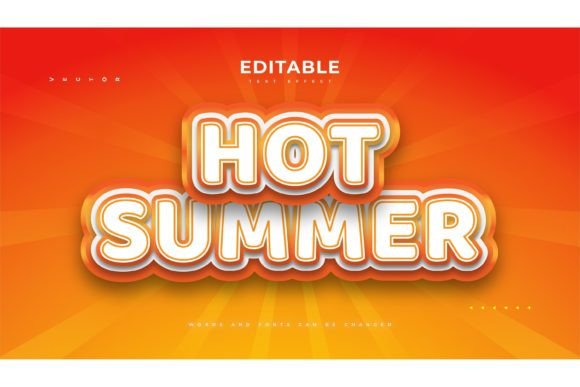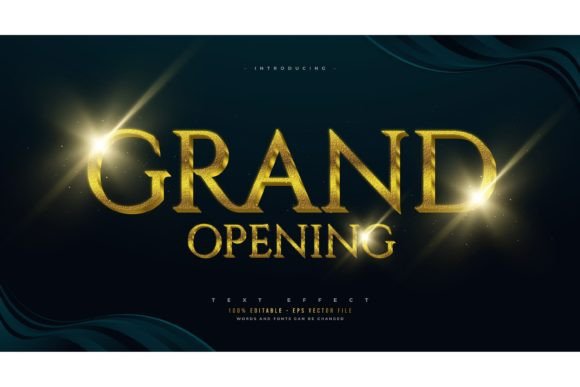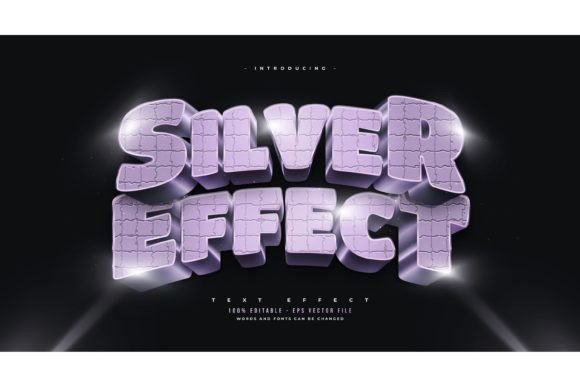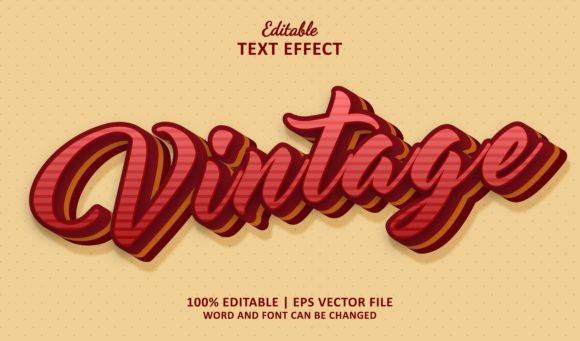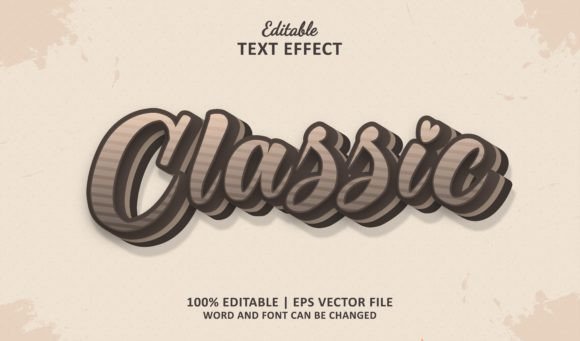
Text Effect Classic: Editable 3D EPS Styles
In the fast-paced world of digital design, efficiency often battles with creativity. Designers, marketers, and small business owners frequently find themselves stuck in a loop of recreating standard visual elements from scratch. This is where Text Effect Classic steps in as a transformative resource. It is not merely a font file; it is a sophisticated, editable text effect designed specifically for Adobe Illustrator. By leveraging this tool, creators can bypass hours of manual layering, shading, and vector manipulation, allowing them to focus on the broader narrative of their projects rather than the technical minutiae of typography.
The appeal of this asset lies in its versatility and professional finish. Whether you are crafting a vintage-inspired poster, a bold social media graphic, or a clean corporate header, the classic 3D style provides a timeless aesthetic that resonates across various demographics. Unlike static images that lose quality when resized or require complex clipping masks to change wording, this EPS-based solution offers complete flexibility. It empowers users to maintain high-quality visuals while adapting quickly to changing client needs or campaign requirements.
Understanding the Power of Vector-Based Text Effects
To fully appreciate the value of Text Effect Classic, it is essential to understand the distinction between a standard font and a vector text effect. A traditional font file, such as TTF or OTF, provides only the outline of characters. To achieve a three-dimensional look, a designer must manually extrude shapes, apply gradients, manage light sources, and adjust shadows. This process is not only time-consuming but also requires a keen eye for detail to ensure consistency.
In contrast, this product delivers a pre-built, fully editable structure within an EPS file format. Because it is built for Adobe Illustrator CS6 and higher, it utilizes the robust vector capabilities of the software. This means every curve, angle, and shadow is mathematically defined, ensuring that the design remains crisp and sharp regardless of scale. From a tiny favicon to a massive billboard, the integrity of the 3D effect remains intact. This scalability is crucial for modern branding, where logos and typographic elements must appear seamlessly across diverse platforms, from mobile screens to print media.
Creative Applications for Diverse Audiences
The utility of Classic editable text effect 3d style Eps extends far beyond simple title creation. Its adaptability makes it a valuable asset for a wide range of professionals and hobbyists. Here is how different users can integrate this tool into their workflows:
- Graphic Designers and Freelancers: For professionals managing multiple client accounts, time is money. This effect allows for rapid prototyping. You can present clients with polished, three-dimensional concepts in minutes rather than hours. It serves as an excellent starting point for logo designs, packaging headers, or event posters.
- Marketers and Social Media Managers: In the realm of digital marketing, thumb-stopping visuals are critical. The bold, retro-modern aesthetic of classic 3D text stands out in crowded social feeds. Use it to highlight key quotes, promotional offers, or webinar titles. The ability to easily swap text means you can A/B test different messaging without redesigning the entire graphic.
- Small Business Owners and Entrepreneurs: Not every business has the budget for a dedicated design team. This tool democratizes high-end design. With basic knowledge of Illustrator, entrepreneurs can create professional-looking signage, business cards, and website banners that convey credibility and attention to detail.
- Educators and Publishers: Textbooks, online courses, and educational materials benefit from clear, engaging headings. The 3D effect adds visual hierarchy, helping students and readers navigate content more effectively. It brings a sense of depth and importance to chapter titles and key concepts.
Practical Strategies for Effective Implementation
While the tool is designed to be user-friendly, achieving the best results requires a strategic approach. Simply typing new text is the first step, but thoughtful customization ensures the final output aligns with your brand identity and project goals.
Maintaining Visual Consistency
When using Text Effect Classic across a campaign, consistency is key. Ensure that the lighting direction and shadow intensity remain uniform across all assets. If one headline appears to be lit from the top left, subsequent headers should follow the same logic. This subtle attention to detail creates a cohesive visual language that strengthens brand recognition. Since the file is 100% editable, you can adjust these parameters globally if needed, but establishing a style guide early on saves revision time later.
Color Psychology and Brand Alignment
The 3D structure provides the form, but color provides the emotion. Do not rely solely on the default colors provided in the template. Experiment with palettes that reflect your brand’s personality. For a tech startup, cool blues and sleek grays might convey innovation and trust. For a bakery or lifestyle brand, warm pastels or vibrant oranges can evoke comfort and energy. Because the vectors are separated into logical layers, changing the face color, side depth, and shadow independently is straightforward. This separation allows for nuanced shading that mimics real-world materials like plastic, metal, or matte paper.
Typography Pairing and Layout
Since this effect is stylized, it works best when paired with simpler, complementary fonts for body text. Avoid using another decorative or heavy font nearby, as this can create visual clutter. Instead, use clean sans-serif or serif typefaces for supporting information. This contrast ensures that the 3D text remains the focal point without overwhelming the viewer. Additionally, pay attention to kerning and leading. Three-dimensional letters occupy more visual space than their flat counterparts. Adjusting the spacing between characters ensures readability and prevents the shadows from merging into an indistinguishable blob.
Technical Considerations and Workflow Tips
To get the most out of this resource, keep the following technical requirements and best practices in mind. First, ensure you are running Adobe Illustrator CS6 or higher. While newer versions offer additional features, the core functionality of editing EPS files remains stable across these iterations. The file format is EPS, which is widely compatible, but working directly in Illustrator ensures you have access to all anchor points and gradient meshes.
Organization is vital when working with complex vector effects. Upon opening the file, take a moment to familiarize yourself with the layer structure. Typically, these files are organized with separate layers for the front face, the extruded sides, and the drop shadow. Naming these layers clearly can prevent accidental edits to the wrong element. If you plan to reuse specific styles, consider saving them as Graphic Styles in Illustrator. This allows you to apply the same 3D treatment to other objects or text blocks with a single click, further streamlining your workflow.
Furthermore, remember that this is not a font installation. You do not install it into your system’s font folder. Instead, you open the EPS file in Illustrator, type your desired text using the provided font placeholder, and then expand or edit the vectors as needed. This distinction is crucial for beginners who might expect a drag-and-drop font experience. Understanding this workflow unlocks the true potential of the tool, allowing for deep customization that standard fonts cannot offer.
Elevating Your Design Portfolio
Incorporating Text Effect Classic into your toolkit is more than a shortcut; it is a strategic move toward higher quality output. By reducing the technical barrier to creating 3D typography, you free up mental energy for creative decision-making. You can experiment with more variations, test different layouts, and refine your message without being bogged down by repetitive manual tasks.
Whether you are designing a nostalgic album cover, a modern app interface, or a printed flyer for a local event, the ability to produce professional-grade 3D text quickly gives you a competitive edge. It allows you to say yes to tighter deadlines and more ambitious projects. Ultimately, tools like this empower creators to bridge the gap between vision and execution, delivering results that are not only visually striking but also technically sound and perfectly aligned with audience expectations.